How a Bill Becomes a Law
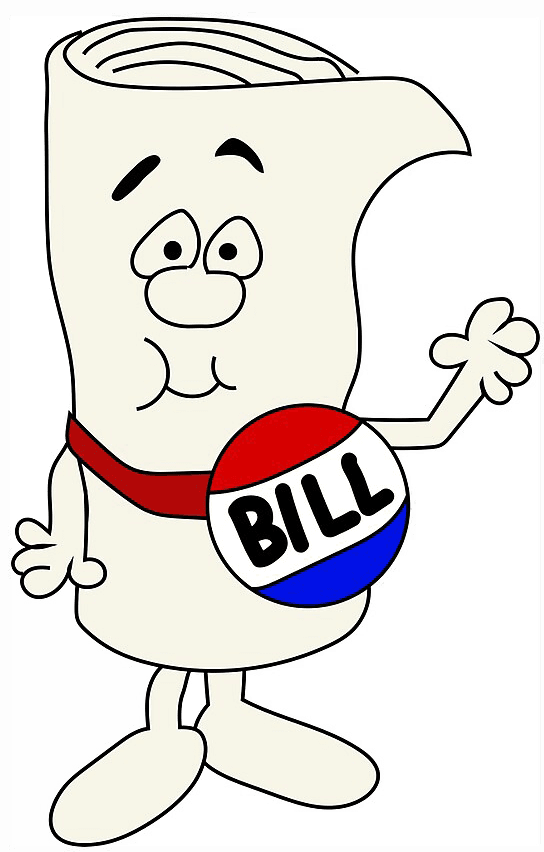
This timeline shows where a Rhode Island bill stands as it moves through the General Assembly’s two step Judiciary process from January through the end of June. Bills typically begin when they are introduced and referred to either House or Senate Judiciary, then advance through a posted hearing, a public testimony period, and a committee review phase where they may be held for further study or rewritten through amendments or a substitute version. If the Judiciary committee votes to recommend passage, the bill heads to the full chamber for floor scheduling and a vote, and if it passes there, it crosses over to the other chamber and usually repeats the same Judiciary and floor steps there. Once both chambers approve the same version, the bill goes to the Governor for final action. Use the “You are here” marker to see the current step and what comes next.
Bills are Introduced and numbered
A bill is filed and assigned an H or S number, which is the official start of its public tracking history. From here it can be immediately referred to a committee, often Judiciary for court, criminal, civil liability, firearms, elections, ethics, and related topics. Gun bills are formally sent to the House Judiciary Committee or the Senate Judiciary Committee for review. Until it is posted for a hearing or vote, it generally sits in committee with no public action date.
Use the button below to track new legislation. Specify Judiciary and “Weapons” to locate the gun bills
Hearing scheduled and posted
Judiciary places the bill on an agenda, which is the first clear signal it is moving. Once scheduled, the date and list of bills are public on the legislative calendar or committee agenda. The agenda typically includes instructions for submitting written testimony and may include a deadline time. This is the best point for the public to submit comments before the hearing or committee consideration.
This typically happens no more than 2 business days before the hearing!
Use the button below to find contact information for your senator and representative.
-- SENATE BILLS ARE HERE --
Hearings are scheduled for Tuesday, April 14th
Show up at the State House to show your support!
Public hearing held
The committee receives testimony in person and in writing, and members may ask questions or discuss concerns. Many bills leave the hearing without an immediate vote and proceed to a “held” status while the committee reviews feedback.
This is where we need everybody to show up to the State House in yellow!
If you do not have a yellow shirt, you can customize one from our store – please allow a week for delivery.
Held for further study
The committee pauses action after the hearing to review testimony, negotiate changes, or decide whether to advance the bill. In practical terms this means the bill is still alive, but it has no guaranteed next date. This is the most common outcome, although it could be voted on and passed during the public hearing.
-- HOUSE BILLS ARE HERE --
All House bills were heard on April 8th
and were held for further study
Amended or substitute prepared
Changes may be drafted as amendments or packaged as a substitute version, often shown as “Sub A” in Rhode Island tracking lingo. This step indicates the bill is being shaped into a form the committee leadership believes could pass.
Committee vote and recommendation
Judiciary takes formal action, such as recommending passage, recommending passage with amendments or substitute, or postponing the bill indefinitely. A favorable recommendation moves the bill out of Judiciary and positions it for floor scheduling.
Placed on chamber calendar
After a favorable committee report, the bill is placed on the House or Senate calendar for floor consideration. Timing here is driven by leadership priorities, available floor time, and negotiation over amendments.
Your representatives would love to hear from you again
Use the button below to find contact information for your senator and representative.
Floor passage and crossover
If the bill passes the committee where it was introduced, it is transmitted to the full chamber. If it passes here, it is then referred to the other chamber. It typically gets referred to that chamber’s Judiciary Committee and repeats the same hearing, amendment, and vote cycle.
We need everybody to show up to the State House in yellow again!
This night is typically not as late as the public hearing / testimony night earlier in the season, but we still need to show them we are watching!
Final passage to Governor
If both chambers pass the same version or resolve differences, the bill is enrolled and sent to the Governor. The process ends with a signature, a veto, or becoming law without signature under the applicable rules.
